
No Fees Unless We Win
No Fees Unless We Win

personal injury lawyer
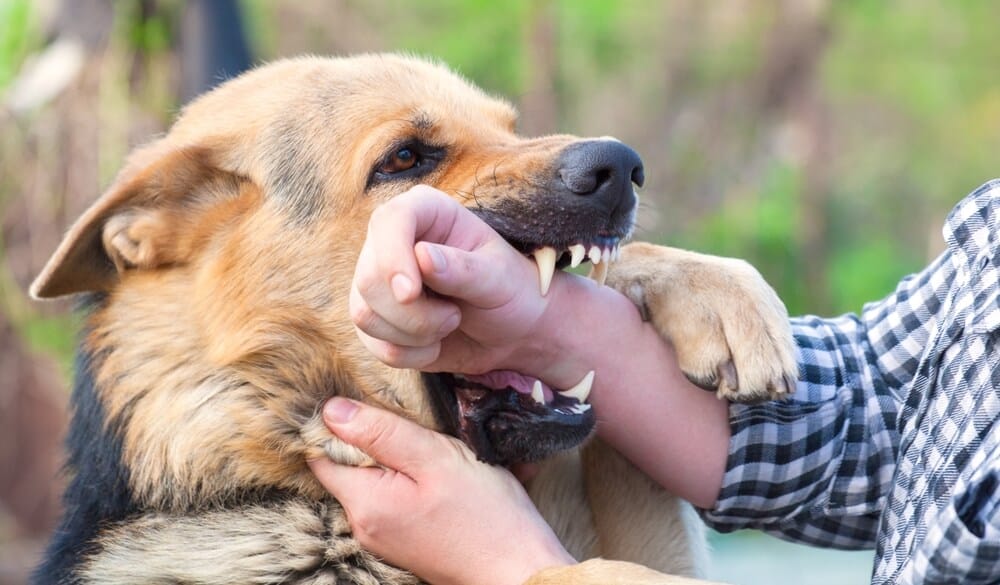
Dog attacks are often frightening, painful, and at times life-changing. How serious the injury is usually depends on the classification of the bite. Professionals in medicine and law rely on a scale that measures these incidents, from a simple nip to a severe attack. One of the most common questions we hear from injured clients is, “Is a level 3 dog bite dangerous?” The answer is yes, because a level 3 bite often causes deep puncture wounds, high infection risks, visible scars, and long-term complications that go far beyond the initial injury. At Colburn Law – Washington Dog Bite Lawyer, we help victims understand both the medical and legal consequences of dog bites so they can protect their health, financial stability, and future.
Dog bite severity is often described using Dr. Ian Dunbar’s scale, which ranges from level 1, where teeth touch the skin without breaking it, up to level 6, involving fatal attacks. A level 3 bite sits in the middle but still creates puncture wounds deep enough to break the skin and usually requires prompt medical care such as stitches, antibiotics, or surgery.
In Washington, a dog responsible for a severe injury can be legally classified as a “dangerous dog” under RCW 16.08.070, a label that brings serious legal, financial, and safety consequences for its owner.
A level 3 dog bite is defined by one to four puncture wounds from a single incident, with at least one puncture deeper than half the length of the dog’s canine tooth. These bites almost always break the skin and penetrate underlying tissue, making them far more serious than superficial nips or scratches.
These wounds usually cause significant bleeding and often need prompt medical treatment. In many cases, stitches are required, and the depth of the puncture forces bacteria into the tissue, which greatly increases the chance of infection. Victims may also experience swelling, bruising, or nerve damage around the injured area.
Scarring is a common long-term result, particularly when the attack involves the face, hands, or legs. In some cases, reconstructive or cosmetic procedures may be necessary to restore function or appearance. These defining characteristics make level bites medically significant and potentially life-altering, even though they fall short of the most catastrophic bite levels.
Deep puncture injuries carry a serious risk of infection. Dogs often carry bacteria such as Pasteurella or Staphylococcus aureus, which can enter human tissue and cause cellulitis or abscesses. Quick cleaning, antibiotics, and proper medical care are essential.
Although rabies is rare in domestic dogs in Washington, health officials take every bite seriously. According to the Washington State Department of Health protocol, if the biting animal is healthy, it must be confined and observed for 10 days. If it shows symptoms of rabies or dies during that period, immediate testing is required.
A level 3 bite can penetrate deep enough to damage muscles, tendons, or nerves. These injuries often require stitches or even surgical repair. Visible scarring on the face, hands, or legs can affect appearance and mobility, and may require cosmetic surgery to correct.
Beyond the physical harm, victims often face long-term issues such as reduced mobility, chronic pain, or nerve sensitivity. Psychological consequences, including post-traumatic stress disorder, are also common, especially in children. These long-term effects are important in determining the damages available in a lawsuit.
After a dog bite, your first priority should be medical care. Wash the wound, control bleeding with pressure, and visit an emergency department or urgent care facility. Even moderate bites can cause serious infections.
Once treated, document everything carefully. Photograph your wounds, save all medical records, and note your treatments. This evidence becomes crucial for both recovery and potential legal claims.
Next, identify the dog and owner while recording their contact information and vaccination history. If witnesses were present, collect their statements. Report the incident to animal control for proper investigation and tracking.
Finally, consider consulting a dog bite attorney who can explain your rights, help preserve evidence, and pursue compensation for medical expenses, lost wages, and other damages.
Washington follows a strict liability rule for dog bites, which means a dog’s owner is responsible for damages if their pet bites someone in a public place or while the victim is lawfully on private property. Unlike states that follow a “one-bite rule,” Washington law does not require proof that the dog had bitten before.
If the injury is considered severe, the dog may also be classified as dangerous. In those cases, the owner must securely confine the animal, use proper enclosures, and post warning signs. When bites keep happening, owners also face the question of how many times a dog can bite before being put down in Washington. Failing to follow these requirements can result in additional legal and financial penalties.
Potential compensation for victims of level 3 dog bites may include a wide range of financial recovery designed to address both immediate needs and long-term challenges, and can include:
Insurance companies often attempt to minimize payouts, but Washington law allows victims to pursue full compensation when negligence or strict liability applies.
Yes, Washington municipalities enforce leash laws to protect public safety. For example, Seattle Municipal Code requires dogs to be leashed in public areas unless in designated off-leash zones. Violations can lead to fines, liability for injuries, and potential dangerous-dog classification if an attack occurs. Each county may have slightly different rules, but generally, allowing a dog to roam freely increases the owner’s responsibility if a bite happens.
Yes, filing a report helps animal control track dangerous animals and confirm rabies protocols. In Washington, local agencies accept these reports, and the record serves as valuable lawsuit evidence. Without it, owners may deny the attack, making liability harder to prove.
The question many clients ask is, “Is a level 3 dog bite dangerous?” The answer is yes, these injuries can cause lasting medical and legal consequences. At Colburn Law – Washington Dog Bite Lawyer, we represent victims throughout the state and work to hold negligent dog owners responsible.
To learn how we can assist with your case, call 206-823-4953 for a free consultation and take the first step toward protecting your rights.

This page has been written, edited, and reviewed by a team of legal writers following our comprehensive editorial guidelines. This page was approved by Greg Colburn.
Key Takeaways Washington law holds handlers strictly liable for dog bites, even from trained service animals, under RCW 16.08.040. Victims should seek medical care...
Key Takeaways Mouthing is gentle tooth contact with no pressure or aggressive intent. Nipping is a quick, sharp bite that typically occurs before a...
Key Takeaways Washington’s strict liability law holds dog owners responsible for bite injuries regardless of prior aggressive behavior. Liability extends beyond legal owners to...
Key Takeaways Dog owners in Washington are liable for bite injuries, whether or not their dog has ever shown aggression before. Everett victims have...
We will come to your home, a coffee shop, or your hospital room, whichever works best for you. We’ll discuss your legal options, and if we should decide to move forward, we will offer our services on a contingency-fee basis.
 Message Us
  Call Us