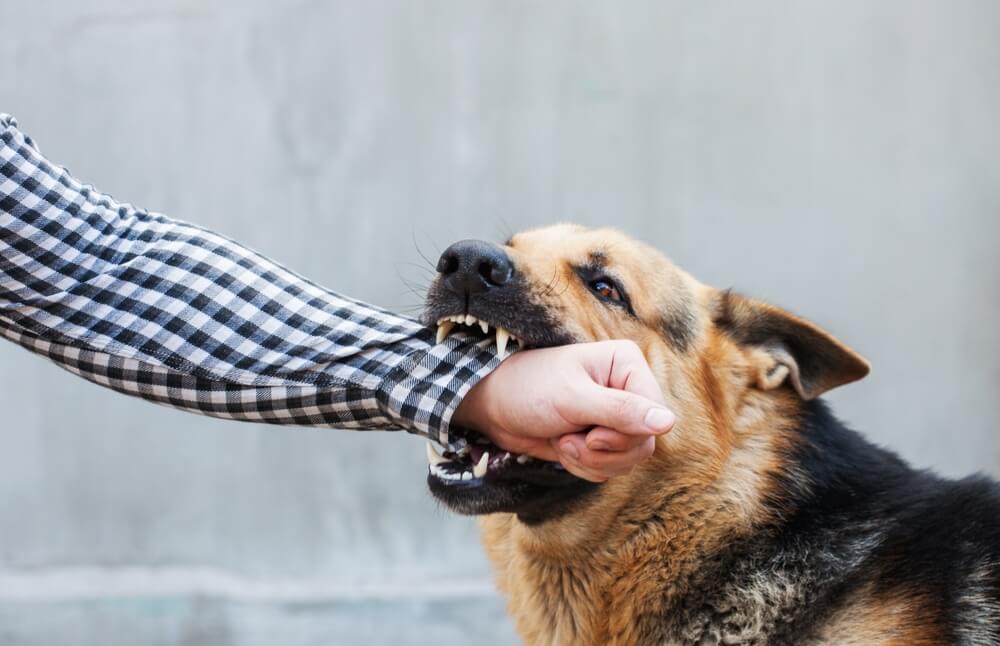
Dog bites can leave serious physical injuries and emotional trauma that disrupt daily life. Although any breed can bite, certain dogs appear more frequently in bite reports than others. When people look up dog breeds that bite the most, they often seek safety guidance and clarity on legal responsibility.
At Colburn Law – Accident and Injury Lawyers, we have seen how profoundly these cases affect individuals and families throughout Washington State. A dog bite claim is rarely straightforward, as it involves medical recovery, questions of liability, and the need for fair compensation. Beyond the visible injuries, many victims also face lasting anxiety, fear of dogs, and difficulty returning to regular routines, which makes accountability under Washington law essential for their recovery.
What Are the Most Common Dog Breeds to Bite?
Pit Bulls
Pit Bulls are often highlighted in studies and reports because of their strong bite force and frequency in severe attacks. They are considered many times more likely to attack compared with other breeds, underscoring the risks associated with these dogs. Their reputation stems partly from their history as fighting dogs, and their jaw strength means that when they bite, the injuries are often catastrophic.
Victims frequently require hospitalization, reconstructive surgery, and long recovery periods. While not every Pit Bull is aggressive, the breed consistently ranks among the top in both non-fatal and fatal bite incidents in Washington.
German Shepherds
German Shepherds are one of the most popular working dogs in America, often chosen for their intelligence, loyalty, and protective instincts. However, they are also regularly cited in bite studies. They appear frequently in bite statistics due to their size, training as guard dogs, and natural territorial behavior. In Washington communities, German Shepherd bites are not uncommon, and their strength means even a single incident can cause substantial physical damage.
When they attack, the injuries can include deep puncture wounds, nerve damage, and disfigurement. Their role as family pets and working animals means they are in frequent contact with people, increasing the risk of bite cases.
Rottweilers
Rottweilers are another breed with a powerful bite and a reputation for aggression in certain circumstances. They are involved in a notable share of bite incidents. These dogs are strong, muscular, and naturally protective of their families, but their size and bite force can devastate any attacker.
Victims often report crushing injuries, torn muscles, and fractures when bitten by a Rottweiler. In Washington, Rottweiler cases can be particularly challenging because owners sometimes argue that the dog was provoked, but the law imposes liability regardless of prior behavior. Many victims of these attacks are left with permanent scars or disabilities.
Chihuahuas
Although Chihuahuas are small, they are surprisingly common in bite reports. Studies show that Chihuahuas tend to nip at strangers and even their owners. Their defensive personality and territorial nature can make them bite quickly when startled. While their bites typically cause less severe injuries than those of larger breeds, they still present risks, particularly to children or elderly individuals with fragile skin.
Medical treatment is often necessary when bites lead to infections or facial injuries. In Washington State, Chihuahuas remind us that size does not always equal safety, and small breeds can cause harm.
Other Breeds
Beyond the breeds already mentioned, other dogs often appear in bite statistics. Labrador Retrievers, Boxers, Doberman Pinschers, Siberian Huskies, and mixed breeds have all been linked to documented incidents. Huskies, in particular, are known for their high energy and strength, which can contribute to bite cases when they feel restrained or cornered. Labrador Retrievers are among the most popular breeds nationwide, yet they also appear in reports simply because of their large numbers and potential to injure with their size.
Mixed breeds account for a significant share of bite cases across Washington, demonstrating that no single breed can be considered risk-free. Each case depends not only on breed but also on training, environment, and owner responsibility.
What Is a Dog Owner’s Liability After a Dog Bite?
Trespasser
Under RCW 16.08.040, a dog owner in Washington is liable when their dog bites a person in a public place or someone lawfully on private property. This strict liability law means the victim does not need to prove the owner knew the dog was dangerous or had bitten before. However, liability generally does not extend to people trespassing on private property. If someone enters an owner’s land without permission and suffers a bite, they may be unable to pursue damages unless another form of negligence can be established.
Police Dog
The law makes an exception for dogs used by law enforcement. RCW 16.08.040 specifies that the statute does not apply to the lawful use of a police dog, as defined under RCW 4.24.410. This means if a police dog bites during an official duty, such as apprehending a suspect, the same liability rules do not apply as they would with a privately owned dog.
However, there are ongoing discussions in Washington regarding accountability when a person is seriously injured by a police dog, raising questions of civil rights and excessive force. These debates highlight the unique balance between public safety and individual protection.
What Can I Recover in a Dog Bite Settlement
Victims of dog bites in Washington may be entitled to compensation for economic and non-economic damages. According to RCW 48.140.010, economic damages include medical expenses, lost wages, loss of employment opportunities, and costs of replacement services. These damages are often extensive in severe dog bite cases, as victims may need surgeries, rehabilitation, and long-term care.
Non-economic damages may also be pursued for pain, suffering, and emotional distress, which reflect the psychological toll of being attacked by an animal. Children, in particular, may experience nightmares, anxiety, and a lasting fear of dogs. Washington courts recognize these impacts, and settlements often reflect financial and emotional harm caused. Sometimes, future medical needs and counseling costs are also factored into the compensation.
How Can a Lawyer Help Me with My Dog Bite Injury Lawsuit?
Handling a dog bite claim in Washington often means collecting detailed evidence, keeping track of medical treatment, and managing complicated settlement talks. An attorney can review the facts, estimate your claim’s value, and ensure it is filed within state deadlines. Having legal support can create an advantage during negotiations, particularly when insurers try to reduce payouts. Lawyers frequently work with doctors, investigators, and other professionals to strengthen cases.
The purpose is to secure fair compensation so that victims are not left bearing the financial and emotional costs of an attack. Skilled legal guidance also eases stress during recovery and helps protect victims from being pushed into settlements that do not reflect the true extent of their suffering.
Contact an Attorney
Dog bite injuries can leave lasting physical and emotional scars, often disrupting daily routines and peace of mind. At Colburn Law – Accident and Injury Lawyers, we help victims throughout Washington State seek fair compensation and hold negligent dog owners accountable.
Call 206-823-4953 to discuss your situation and learn more about your legal options. Quick action can protect your rights and strengthen your chances of recovering the full compensation available under Washington law, offering the support you need to move forward confidently.