
No Fees Unless We Win
No Fees Unless We Win

personal injury lawyer
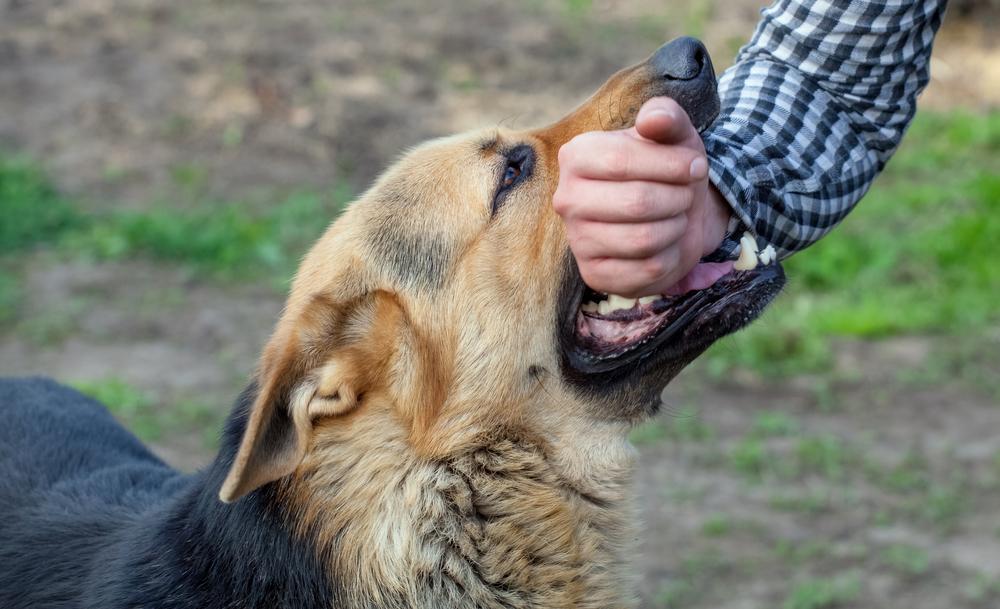
A dog attack happens in seconds. What follows can take months or years to resolve, and one of the first questions many victims and families ask is whether the dog that hurt them will be removed or put down. The answer under Washington law is not straightforward. Dog bite law euthanasia in Washington state does not follow a simple “one strike and the dog is put down” rule. Whether a dog faces euthanasia after a bite depends on the severity of the attack, the animal’s documented history, and the determination of local animal control authorities or a court. At Colburn Law, our experienced Washington Dog Bite Lawyer helps bite victims across Washington understand how state law applies to their situation and what steps protect their claim from the start.
Washington holds dog owners legally responsible for bites, period. Under RCW 16.08.040, if a dog bites someone in a public place or on private property where that person had a right to be, the owner is liable. It does not matter whether the owner knew the dog was dangerous or had never seen it act aggressively before.
To make a claim, victims only need to establish two things: a bite occurred, and they were lawfully present when it happened.
Owners do have limited defenses. If the victim provoked the dog by hitting, taunting, or frightening it before the attack, that may reduce or eliminate the owner’s liability. Someone who entered private property without permission or while committing a crime also loses the statute’s protections. Outside those situations, the owner is fully on the hook.
Liability does not stop with the person who holds the dog’s registration. Under Washington law, anyone who keeps, harbors, or temporarily controls a dog can be held responsible for injuries caused during their period of control. This includes:
This matters most in claims where the legal owner was absent but the person managing the dog carried homeowners or renters insurance covering the victim’s losses.
Washington euthanizes dogs after a bite under specific legal conditions, not as a routine response. Three circumstances trigger this outcome. The difference between mouthing, nipping, and biting often determines how seriously an incident is treated.
The first involves severe injury or death. When an attack results in serious bodily harm or kills someone, the dog is subject to confiscation and, following the owner’s conviction, destruction under state law.
The second involves dogs already declared dangerous. Washington defines a “dangerous dog” as one that has inflicted severe injury on a person without provocation, killed or severely injured a domestic animal without provocation on at least two separate occasions, or been previously found potentially dangerous and then bitten someone. Once a formal dangerous dog declaration is issued, any subsequent bite triggers mandatory euthanasia. Owners who fail to comply with registration and restraint requirements face gross misdemeanor charges.
The third involves rabies exposure. Under WAC 246-100-197, if the local health officer determines a bite victim may have been exposed to rabies and the biting animal dies or becomes unavailable for observation, euthanasia and laboratory testing are required.
Understanding dog bite law and euthanasia in Washington State matters because the outcome for the animal directly affects how a claim develops. For less severe bites with no prior dangerous dog history, the animal is held under a mandatory quarantine to monitor for rabies. Euthanasia during the period occurs only if symptoms develop. Owners receive written notice before any destruction order and retain the right to appeal before euthanasia takes place.
Washington law places ongoing obligations on owners of dogs declared dangerous. The animal must be registered with local animal control, kept in a proper enclosure on the property, and muzzled on a leash no longer than four feet when off the property. Owners must also carry liability insurance or a surety bond to cover potential injury claims.
When an owner fails to meet these requirements and the dog attacks again, that failure affects both the criminal consequences they face and the civil liability they carry toward the victim. For anyone bitten by a dog with a prior dangerous designation, documented noncompliance becomes significant evidence in a compensation claim.
The steps taken immediately after a bite shape both recovery and the strength of any claim. Taking the right actions from the start can make a significant difference:
Every day after an attack makes evidence harder to gather and gives insurers more room to work against you.
Most Washington dog bite claims follow a predictable sequence, though the timeline and outcome depend heavily on how well the claim is documented from the start:
It’s important to consider timing. Washington generally allows three years from the date of the bite to file a personal injury claim, though exceptions may apply depending on the circumstances. Missing that window closes the door on recovery entirely, no matter how strong the case may be. Working with an attorney from the beginning helps ensure deadlines are met, early concessions are avoided, and the full value of the claim is protected throughout the process.
After a dog attack, acting quickly protects both your evidence and your legal options. Colburn Law represents bite victims statewide, pursuing full compensation for medical costs, lost income, scarring, and emotional harm. If you have questions about liability, what happens to the dog after an attack, or dog bite law euthanasia in Washington State, our team is ready to help. Call (206) 919-3215 to schedule a free consultation, with no fee unless we recover compensation for you.
Greg Colburn’s path to personal injury law is rooted in personal experience. After a devastating fall left him in a wheelchair for two years, he took on insurance companies and legal obstacles to win his own case. That journey inspired him to fight for others facing similar challenges. Today, Greg is dedicated to helping injury victims hold negligent parties accountable and secure the justice they deserve.
Years of Experience: 20 years
Super Lawyers Profile: Greg Colburn

This page has been written, edited, and reviewed by a team of legal writers following our comprehensive editorial guidelines. This page was approved by Greg Colburn.
Key Takeaways Washington law holds handlers strictly liable for dog bites, even from trained service animals, under RCW 16.08.040. Victims should seek medical care...
Key Takeaways Mouthing is gentle tooth contact with no pressure or aggressive intent. Nipping is a quick, sharp bite that typically occurs before a...
Key Takeaways Dog owners in Washington are liable for bite injuries, whether or not their dog has ever shown aggression before. Everett victims have...
Key Takeaways Washington law imposes strict liability for dog bites regardless of prior behavior. Lawful presence at the time of the attack is required...
We will come to your home, a coffee shop, or your hospital room, whichever works best for you. We’ll discuss your legal options, and if we should decide to move forward, we will offer our services on a contingency-fee basis.
 call us 206-919-3215
 Message Us
  Call Us