
No Fees Unless We Win
No Fees Unless We Win

personal injury lawyer
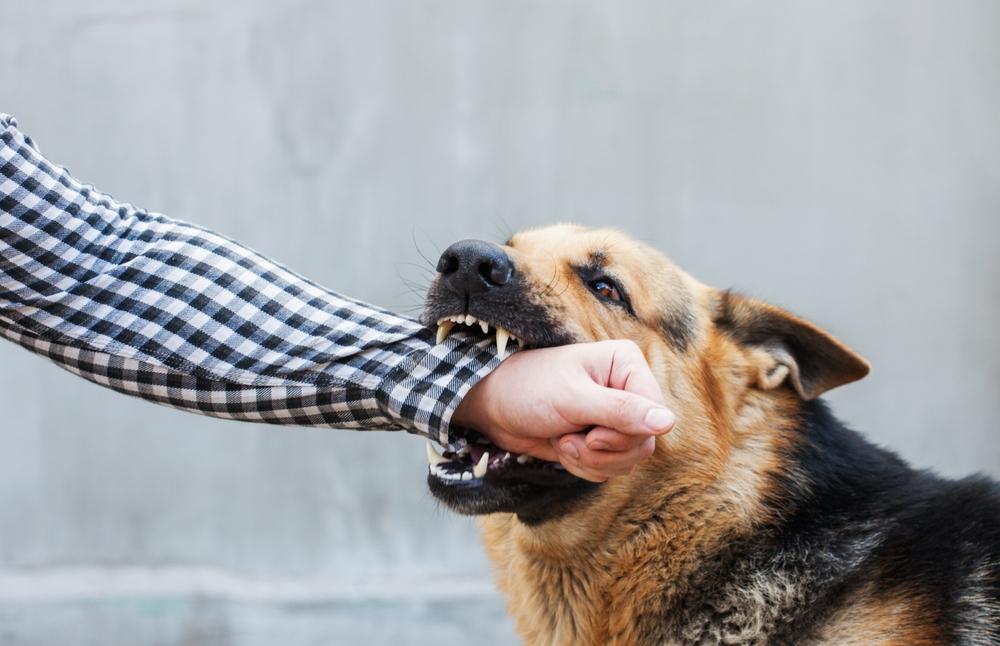
When a dog attack happens next door, the familiarity of the situation can make pursuing a claim feel complicated. Many injured victims hesitate before asking the question that matters most: Can I sue my neighbor for a dog bite? The answer is yes. Washington law is clear that proximity does not shield a dog owner from legal responsibility, and living next door does not require you to absorb the physical, financial, and emotional cost of their animal’s actions.
Washington applies strict liability to dog bite cases, meaning an owner’s responsibility exists regardless of your prior relationship with them or their knowledge of the dog’s behavior. At Colburn Law—Washington Dog Bite Lawyer, our Seattle Dog Bite Lawyer helps clients understand how the law applies to their situation and pursue the compensation they deserve for medical expenses, lost wages, and lasting harm.
Washington’s strict liability framework makes these claims more straightforward than many people expect, even when the personal dynamics feel complicated. Under RCW 16.08.040, a dog owner bears full responsibility for bite injuries when the victim was lawfully present at the time of the attack, whether on public property or the owner’s own premises. Prior aggressive behavior and owner awareness are not required to establish liability.
This standard removes the burden of proving negligence. You do not need to show your neighbor knew their dog was dangerous or had a history of biting. The law centers on two core elements: a bite occurred, and you were lawfully present when it happened. Invited guests, delivery workers, and contractors typically meet this requirement without dispute.
Washington law extends further under RCW 16.08.010, holding owners liable for damage caused by dogs to animals and property, with courts evaluating these claims alongside personal injury in civil proceedings.
For Seattle residents, this framework offers practical clarity. A neighbor’s homeowner or renter insurance policy often covers dog bite claims, meaning compensation frequently comes through an insurance carrier rather than directly from your neighbor. Lawful presence remains the critical threshold, and confirming whether your circumstances meet that standard is where legal guidance becomes essential.
Legal knowledge alone is not enough after a dog attack. The steps you take in the immediate aftermath carry equal weight, and acting early can significantly affect the outcome of your claim. Key steps include:
These steps directly support your ability to pursue compensation and build a stronger case.
Many injured victims hesitate to take legal action out of concern for a neighborly relationship, and that concern is understandable. So, can I sue my neighbor for a dog bite and still keep things civil? The answer is yes. Most claims proceed through the dog owner’s homeowners’ insurance policy rather than their personal funds, which means the process rarely requires direct financial confrontation.
A few practical steps can help navigate the situation without unnecessary conflict:
Filing a claim is not a personal attack. It is a measured response to a real injury, and Washington law exists to support exactly that outcome.
Once liability is established, the next step is understanding what compensation you may be entitled to recover. Dog bite damages typically fall into several categories, beginning with medical expenses such as emergency care, surgeries, follow-up visits, medication, and rehabilitation. Lost income also plays a significant role, covering both current wage loss and reduced earning capacity if the injury keeps you from working.
Pain and suffering reflect the lasting physical discomfort, emotional trauma, and anxiety often following a serious attack. Scarring and disfigurement, particularly for visible injuries to the face or hands, can increase claim value by recognizing the psychological and social impact of permanent changes to appearance. Additional damages may include property loss, such as clothing or personal items damaged during the attack.
Each case varies, but strong evidence supports a more complete recovery. Medical records, photographs, and expert opinions all contribute to a thorough damages evaluation, and experienced legal guidance helps ensure no category of loss is overlooked when building your claim. Understanding how long a dog bite claim takes to settle helps set realistic expectations when pursuing compensation.
A dog bite creates consequences that go well beyond the initial injury. Medical bills accumulate, work becomes difficult, and the sense of safety in your own neighborhood takes a hit. If you are still asking, “Can I sue my neighbor for a dog bite?”, the answer turns on the specific facts of your situation. Colburn Law—Washington Dog Bite Lawyer, helps Seattle residents understand their rights and pursue the compensation they are owed. Call 206-919-3215 for a free consultation and take the first step toward putting this behind you.
Greg Colburn’s path to personal injury law is rooted in personal experience. After a devastating fall left him in a wheelchair for two years, he took on insurance companies and legal obstacles to win his own case. That journey inspired him to fight for others facing similar challenges. Today, Greg is dedicated to helping injury victims hold negligent parties accountable and secure the justice they deserve.
Years of Experience: 20 years
Super Lawyers Profile: Greg Colburn

This page has been written, edited, and reviewed by a team of legal writers following our comprehensive editorial guidelines. This page was approved by Greg Colburn.
Key Takeaways A level 3 dog bite causes one to four puncture wounds, marking the first level where skin actually breaks. Puncture wounds trap...
Key Takeaways Washington law holds handlers strictly liable for dog bites, even from trained service animals, under RCW 16.08.040. Victims should seek medical care...
Key Takeaways Mouthing is gentle tooth contact with no pressure or aggressive intent. Nipping is a quick, sharp bite that typically occurs before a...
Key Takeaways Washington’s strict liability law holds dog owners responsible for bite injuries regardless of prior aggressive behavior. Liability extends beyond legal owners to...
We will come to your home, a coffee shop, or your hospital room, whichever works best for you. We’ll discuss your legal options, and if we should decide to move forward, we will offer our services on a contingency-fee basis.
 call us 206-919-3215
 Message Us
  Call Us