
No Fees Unless We Win
No Fees Unless We Win

personal injury lawyer
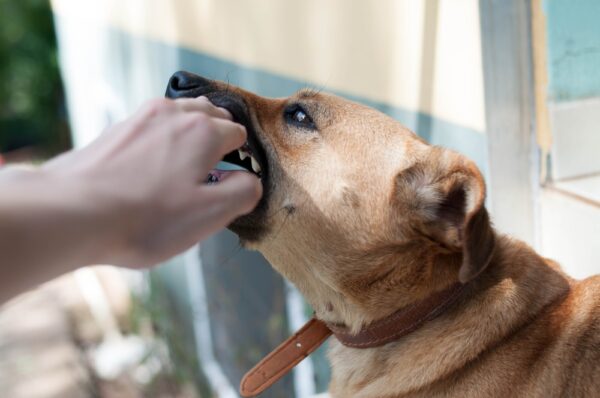
Few situations are as stressful for a dog owner as a bite incident, especially on your property. Beyond worrying about your dog’s well-being, you may also face legal and financial consequences. One of the first questions you might ask yourself is: Can someone sue you if your dog bites them on your property?
The short answer is yes. Regardless of the circumstances, Washington state law holds dog owners liable for bites. Colburn Law breaks down Washington’s dog bite liability rules, outlining the steps to take if an incident occurs and how to safeguard yourself and your pet.
Dog bite laws vary across the U.S., but Washington imposes strict liability on dog owners. This means owners are typically responsible for injuries caused by their dog, even if the dog has never shown aggression before.
Unlike states that follow the one-bite rule, where dog owners are only held liable if they have prior knowledge of their dog’s aggressive or dangerous behavior, Washington operates under strict liability laws. This means that dog owners in Washington are held responsible for their dog’s actions regardless of whether the dog has a history of aggression or has ever bitten someone.
According to RCW 16.08.040, a dog owner is legally responsible for damages if their dog bites someone who was lawfully on the property or in a public place. This includes individuals like mail carriers, delivery workers, or guests with a legal right to be on the premises. Even if the dog has no prior incidents of biting or aggression, strict liability ensures the owner is still accountable for any harm caused by their pet. This law is designed to prioritize public safety and encourage responsible pet ownership.
In some states, a dog owner can argue they were unaware their dog was dangerous. However, Washington’s strict liability law leaves little room for this defense. The primary concern is preventing harm, meaning owners are expected to take reasonable steps to control their pets at all times.
Washington is among a minority of states that impose strict liability on dog owners. These laws prioritize public safety by holding owners accountable for their dog’s actions, regardless of their animal’s prior behavior.
Depending on the severity of the bite, local animal control authorities may investigate. If a dog has bitten multiple times or caused serious injury, it could be classified as dangerous or potentially dangerous. Such classifications often lead to restrictions, including mandatory muzzling in public or, in extreme cases, removal from the owner’s custody.
If your dog is involved in a bite incident, it is essential to cooperate with authorities while advocating for your pet’s rights. Speaking with an experienced dog bite attorney may be beneficial if you are concerned about how your dog might be classified.
If your dog bites someone, you could be held responsible for various damages, including:
These expenses can quickly add up, making it essential for dog owners to understand the financial risks involved.
If your dog bites someone, staying calm and following these steps can help protect both you and your pet:
Under RCW 4.16.080, dog bite victims in Washington have up to three years from the date of the incident to file a lawsuit for damages. This critical deadline, known as the statute of limitations, ensures that victims act within a specific time frame to preserve their right to seek compensation. Failure to file within this period can result in the permanent loss of the ability to recover damages for medical expenses, lost wages, and pain and suffering.
You might assume that if someone was trespassing on your property when they were bitten you wouldn’t be liable. However, Washington law allows exceptions depending on the situation.
If the person was unlawfully on your property, they may have a harder time filing a successful claim. However, proving trespassing as a defense can be challenging, so consulting a lawyer is critical in these cases.
In some situations, the person who was bitten may share some responsibility for the incident, such as if they provoked the dog, ignored warnings, or engaged in reckless behavior around the animal. Washington follows a comparative negligence rule, meaning a victim’s compensation can be reduced by their percentage of fault.
For example, if a court determines that the victim was 30% responsible for provoking the dog, any damages awarded to them may be reduced accordingly. However, if the victim was found to have intentionally aggravated the dog or disregarded clear safety instructions, their compensation could be significantly lowered or even denied.
Navigating the aftermath of a dog bite, whether you’re the injured party or the dog owner, can be overwhelming. If you’re wondering can someone sue you if your dog bites them on your property?, the best course of action is to seek legal guidance.
At Colburn Law, we help Washington dog owners and bite victims understand their rights and legal options. Call us today at 206-919-3215 for a free consultation. We’ll listen to your story, provide clear answers, and advocate for your best interests every step of the way.

This page has been written, edited, and reviewed by a team of legal writers following our comprehensive editorial guidelines. This page was approved by Greg Colburn.
Key Takeaways Washington law holds handlers strictly liable for dog bites, even from trained service animals, under RCW 16.08.040. Victims should seek medical care...
Key Takeaways Mouthing is gentle tooth contact with no pressure or aggressive intent. Nipping is a quick, sharp bite that typically occurs before a...
Key Takeaways Washington’s strict liability law holds dog owners responsible for bite injuries regardless of prior aggressive behavior. Liability extends beyond legal owners to...
Key Takeaways Dog owners in Washington are liable for bite injuries, whether or not their dog has ever shown aggression before. Everett victims have...
We will come to your home, a coffee shop, or your hospital room, whichever works best for you. We’ll discuss your legal options, and if we should decide to move forward, we will offer our services on a contingency-fee basis.
 Message Us
  Call Us