
No Fees Unless We Win
No Fees Unless We Win

personal injury lawyer
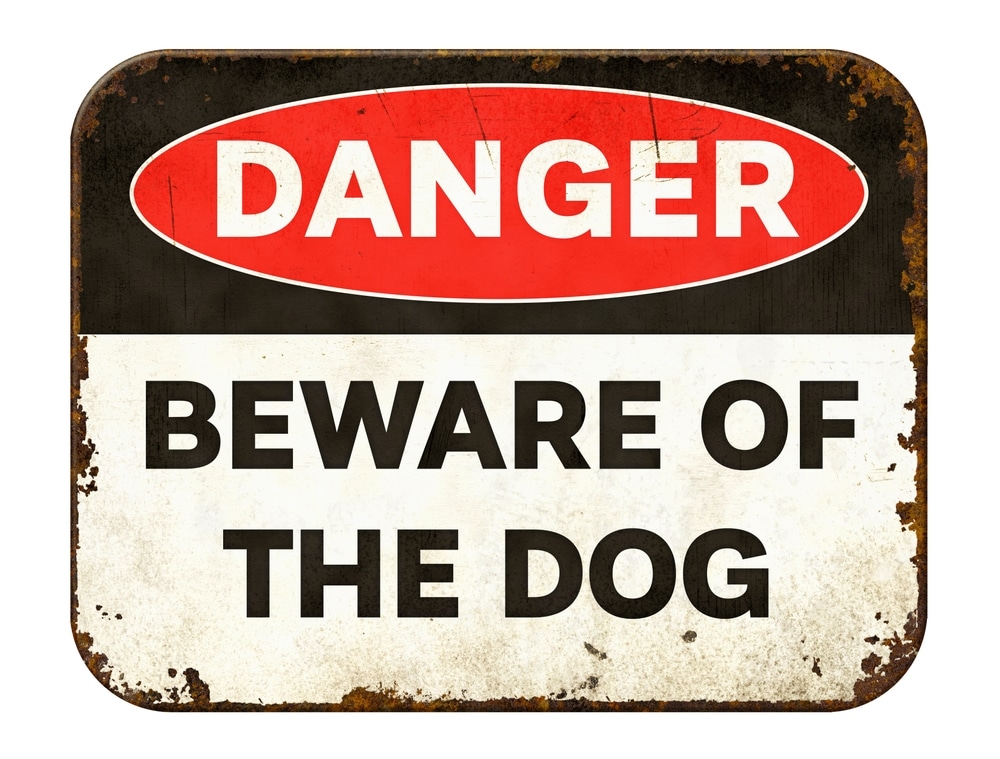
In Washington State, the Beware of Dog sign law is one of the most misunderstood aspects of dog bite cases. Many owners believe that posting a warning sign will protect them from liability if their dog injures someone, but that’s simply not true under state law. While a sign can alert visitors to potential danger, it does not erase an owner’s legal responsibility.
Washington follows strict liability rules, meaning dog owners are typically accountable for bite-related injuries, even if the dog had never attacked before and even if a warning sign was present. The only narrow exceptions involve trespassing or provocation.
At Colburn Law – Accident and Injury Lawyers, we’ve guided countless victims through complex dog bite claims, ensuring they understand their rights and recover the compensation they need for medical bills, lost wages, and emotional harm.
A “Beware of Dog” sign alerts visitors that a dog is on the premises and could pose a threat. These signs are often posted on fences, gates, or near entryways. While they may serve as a warning, it’s essential to understand what they do and do not accomplish legally.
In Washington, these signs are considered precautionary measures rather than liability shields. For example:
However, the law does not exclude an owner from responsibility because a sign was present. Courts view these signs as evidence of the owner’s awareness that the dog could be dangerous, not as a defense against liability.
The short answer is no. Posting a warning sign does not override Washington’s strict liability law, which places the responsibility for dog bites squarely on the owner’s shoulders.
Under RCW 16.08.040, if a dog bites someone in a public place or while that person is lawfully on private property, the owner is liable for the resulting injuries, even if:
The only recognized exceptions involve provocation or trespassing, which we’ll cover later. Simply put, a warning sign does not provide legal immunity. If anything, it may suggest the owner was aware of potential danger and had a duty to take additional steps to prevent harm.
Washington’s dog bite statute clearly states liability: dog owners are responsible for injuries caused by their dogs, regardless of negligence or prior knowledge of aggression. Unlike states that follow a “one-bite rule,” Washington does not give owners a free pass for a first offense.
This strict liability rule means that victims typically do not need to prove:
Instead, the primary question is whether the victim was lawfully present when bitten. If so, they may recover compensation for:
The presence of a Beware of Dog sign might influence negotiations with insurers, but it does not erase liability under Washington law.
Some dogs, because of their history, are classified as “dangerous” or “potentially dangerous” by local authorities. When this designation occurs, Washington law imposes strict requirements on the owner, including:
Failure to comply with these rules can lead to fines, dog seizure, and increased civil liability if an attack occurs. For example, if a previously designated dangerous dog bites someone and the owner has not posted the mandated signs, the victim’s case becomes much stronger. This requirement is addressed under RCW 16.08.070, which allows authorities to enforce compliance and penalize violations.
Although Washington’s laws heavily favor victims, there are limited exceptions where an owner may avoid responsibility:
These exceptions often lead to complex disputes. Was the person truly trespassing, or were they a delivery worker lawfully entering the property? Did the victim’s actions qualify as provocation? These questions make legal representation essential.
Could a warning sign affect your injury claim? Yes—but only slightly. While the sign does not prevent liability, it can influence how insurers and courts assess comparative fault. For example:
However, Washington’s strict liability statute generally outweighs these factors. Lawfully present victims almost always have the right to pursue full compensation, even if a beware of dog sign was displayed.
Thorough documentation is one of the strongest tools for building a successful claim. After a dog bite:
Even though a warning sign does not absolve an owner, its presence can become a point of contention during negotiations. Having clear evidence ensures you can counter arguments effectively.
Local animal control agencies have an essential role in dog bite investigations. They:
Their findings often serve as critical evidence in civil cases. Promptly reporting an attack to animal control protects your rights and helps safeguard your community from further harm.
Washington’s Beware of Dog signs law does not prevent owners from being held responsible for injuries caused by their pets, and you deserve justice. At Colburn Law – Accident and Injury Lawyers, we work tirelessly to hold negligent dog owners accountable and help you recover compensation for medical bills, lost wages, and pain and suffering. Call us now at 206-919-3215 or contact us online for a free consultation. You pay nothing unless we win your case.

This page has been written, edited, and reviewed by a team of legal writers following our comprehensive editorial guidelines. This page was approved by Greg Colburn.
Key Takeaways A level 3 dog bite causes one to four puncture wounds, marking the first level where skin actually breaks. Puncture wounds trap...
Key Takeaways Washington law holds handlers strictly liable for dog bites, even from trained service animals, under RCW 16.08.040. Victims should seek medical care...
Key Takeaways Mouthing is gentle tooth contact with no pressure or aggressive intent. Nipping is a quick, sharp bite that typically occurs before a...
Key Takeaways Washington’s strict liability law holds dog owners responsible for bite injuries regardless of prior aggressive behavior. Liability extends beyond legal owners to...
We will come to your home, a coffee shop, or your hospital room, whichever works best for you. We’ll discuss your legal options, and if we should decide to move forward, we will offer our services on a contingency-fee basis.
 Message Us
  Call Us